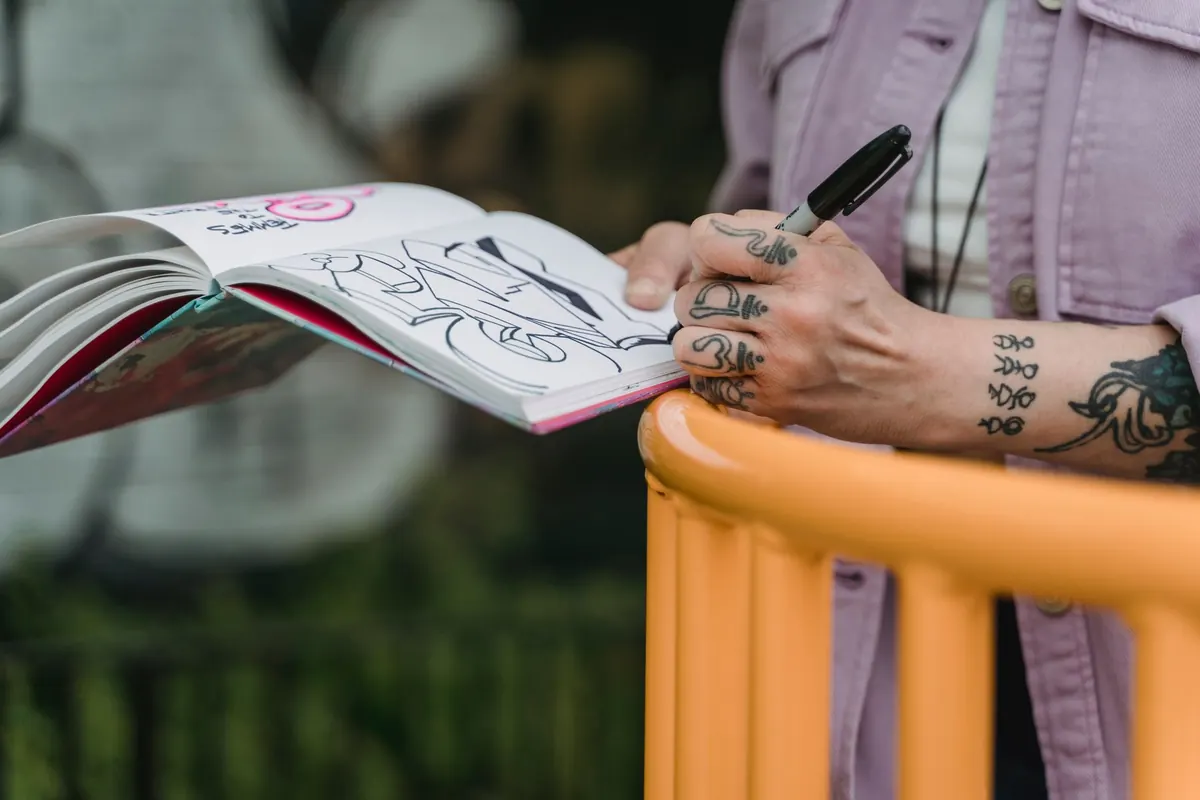
A single-needle sprig of lavender on a wrist and a bold eagle across a forearm can both look fantastic on the day. Ten years later, they may tell very different stories. Fine line and traditional tattoos aren't simply two aesthetics to pick between like wallpaper samples — they sit in skin differently, heal differently and punish the wrong placement in their own particular ways. The good news is that most ideas can be done in either style, which means the real question is which one suits your skin, your body and your tolerance for touch-ups.
Traditional tattooing — often called old school or American traditional — was built for legibility. Thick black outlines, a limited palette, flat colour and simple, readable shapes. The boldness wasn't a fashion choice so much as a practical one: it had to read across a crowded room and survive decades of sun, sea and questionable aftercare.
Fine line work went the other way. Smaller needle groupings, often a single needle or a tight three-round liner, produce delicate lines, soft shading and detail that traditional can't touch. Botanical pieces, script, small portraits, geometric patterns, pet portraits built from a few hundred hair-fine strokes — this is fine line's territory.
Neither is more skilled than the other. They're different disciplines. A brilliant traditional artist may be hopeless with a single needle, and the reverse is just as true.
Anything that depends on delicacy: tiny lettering, thin stems and petals, subtle shading, elegant minimal shapes. A good fine line artist controls line weight so a design has lightness without looking scratchy. It suits people who want something quiet — visible up close, easy to cover with clothing or a watch.
Anything that needs to punch. Bold outlines give a design structure, and structure is what stops a tattoo turning into a grey smudge. Traditional also handles colour with confidence: solid reds, greens and yellows, packed flat, with black shading to create depth. It reads instantly, at any distance, in any light.
There's a practical limit to detail in skin. Lines thinner than roughly a fine hairline are risky anywhere, because skin isn't paper — it has pores, texture and movement. If your idea needs three millimetres of text or a face the size of a thumbnail, the honest answer might be "bigger", not "finer".
Ink spreads slightly in the dermis over the years. That's normal and unavoidable. Fine lines can soften and close up gaps, so small letters blur into each other and delicate detail loses contrast. Traditional lines thicken a little too, but because the design started bold, it keeps its shape and stays readable.
Where you put it matters at least as much as which style you choose:
Sun protection is the single biggest factor in how any tattoo ages. Two tattoos of identical quality will look years apart if one lives under a shirt and the other spends every summer on a beach.
Pain is mostly about placement and how long you sit, not style. The difference is in the pacing. Traditional pieces often move quickly — an artist can lay a bold outline and pack colour in one or two sittings, so you get a short, intense experience.
Fine line can be the opposite. Hundreds of small strokes take time, and dense detail means longer sessions or multiple appointments. Repeatedly going back over a tiny area to perfect a line irritates the skin, and irritated skin heals badly. A cautious artist who knows when to stop is worth more than a perfectionist with a single needle.
Aftercare is broadly the same: keep it clean, moisturise lightly, avoid soaking, don't pick. Fine line shows the cost of picking and sun exposure sooner, simply because there's less ink margin for error. If you have a skin condition such as eczema, psoriasis or a history of keloid scarring, or you take medication that affects healing, speak to your GP or pharmacist before booking — and tell your artist.
Book a consultation rather than messaging a photo and hoping. Take your reference images, be honest about size and placement, and ask the artist what they'd change to make the piece last. A trad artist will probably push you bigger and bolder; a fine line specialist may well tell you to simplify. Both are giving you useful information.
Finally, check hygiene and licensing like you mean it. Clean premises, fresh needles, gloves, a studio happy to answer questions about sterilisation — these matter more than any style debate. And if you're still deciding, give it a month. A tattoo you're certain about at the consultation is usually the one you'll still be glad about years later.
Photo: Felicity Tai / Pexels
Vegan tattoos involve more than ink — stencil fluid, gloves and aftercare all count. Here's what to ask your artist...
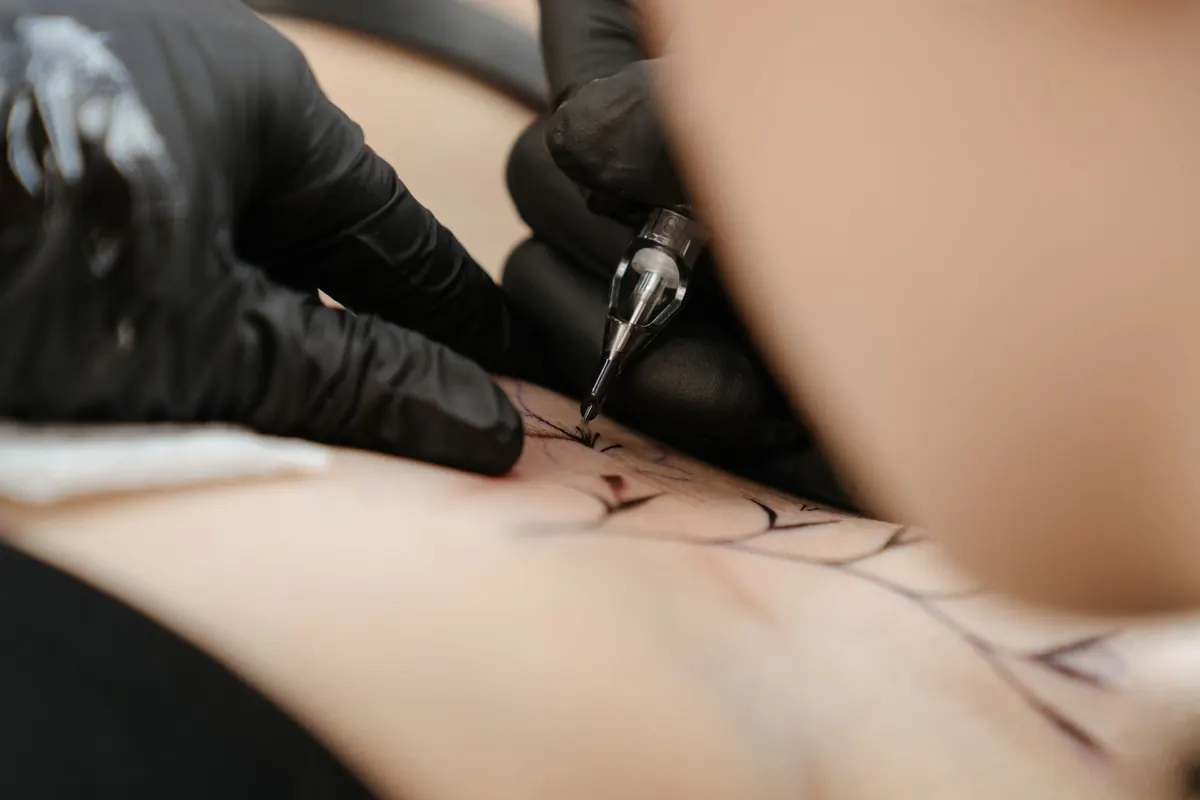
A practical guide to tattoo pain by placement, from sharp ribs and sternum to tender ankles and feet, plus skin...

A season-by-season guide to UK tattoo conventions, from spring's regional shows to autumn's big-city flagships, with...

Your weekly dose of tattoo culture and news..
