British summer arrives all at once. One week you're eating chips on the seafront in a jumper; the next it's 30 degrees, the pubs have run out of ice, and you're standing in a queue with a three-day-old tattoo itching under its second skin.
Healing ink and hot weather want different things from you. A new tattoo wants to be clean, lightly moisturised and largely left alone. July wants you in the sea, in a beer garden and in a tent in a field with a shower block of questionable quality. You can have most of both, but only if you plan for it.
What follows is the practical version: sun, sweat, salt water and festival fields.
A fresh tattoo is an open wound, however tidy it looks. Healing time varies — a small linework piece on your forearm is a different job from a full colour sleeve — but the basics don't change. Keep it clean, keep it covered when you're outside, and don't let anything unnecessary touch it.
Follow whatever your artist told you about the film or wrap. If it's weeping, lifting or driving you mad in the heat, wash your hands, peel it off slowly under lukewarm running water, and clean the tattoo gently with fragrance-free soap. Pat it dry with a paper towel rather than the family bath towel, then apply a thin layer of aftercare balm. Thin matters in a heatwave; a thick layer traps sweat against the skin and does more harm than good.
Sweat is the quiet problem. It's salty, it sits under clothing, and it softens the skin just as it's trying to close. If you've been sweating heavily, rinse the tattoo sooner than you otherwise would, dry it, and let it breathe. Loose cotton beats anything fitted, and if the tattoo sits on your lower back, hip or thigh, avoid waistbands that rub straight across it.
Two things happen when UV meets a healing tattoo. In the short term, sunburn on skin that's already inflamed can blister, slow the healing and leave you with patchy pigment. In the long term, sun exposure fades ink — fine lines go soft first, then lighter colours, then everything else.
For the first few weeks, cover the tattoo with fabric rather than sunscreen. A loose linen shirt, a thin scarf or a clean dressing worn over dry skin all work better than cream on a wound that hasn't closed. Once the surface has fully healed — no scabs, no flaking, no open spots — treat tattooed skin like the rest of you and use a high-factor sunscreen, reapplied through the day. Factor 50 is the cheapest tattoo maintenance there is.
Skip the sunbed. If you're chasing a tan before a wedding or a holiday, you'll be doing it directly over fresh ink, and that's a bad trade.
Almost every artist gives the same advice, and it holds: no swimming until the tattoo's surface is completely closed. For most people that's somewhere around two to four weeks, sometimes longer for large pieces or slower healers. Sea water isn't sterile, chlorinated pools aren't sterile either, and rivers and lakes carry their own bacteria. A waterproof plaster is not a pass — warm water loosens the adhesive, and the seal fails exactly when you'd rather it didn't.
This doesn't have to ruin a beach trip:
The single best decision is timing. Book your tattoo for the week after the festival, not the week before. If that ship has sailed, pack like someone who intends to keep the ink:
Shower queues are not an excuse to skip washing. Do it quickly, gently, with clean hands and cool water rather than hot. And remember that dust, glitter, dry grass and other people's sunscreen are all part of festival air; keep the tattoo covered when you're not cleaning it, and don't let anyone else apply anything to it.
Heatwaves are their own problem, even if you never leave the postcode. Sit in front of a fan rather than in direct sun. If you use an ice pack, wrap it in a clean cloth and keep it moving — never press ice straight onto a healing tattoo. Drink more water than you think you need, and go easy on the drinking for the first few days; a heavy night makes you sweat, dehydrates you and sets healing back. Cool compresses help with the itch. Fingernails don't.
Some redness and swelling in the first few days is normal. Redness that keeps spreading after day three, swelling that gets worse rather than better, throbbing pain, heat coming off the skin, pus, a red streak, or feeling feverish and unwell are not. Speak to a pharmacist or your GP; out of hours, NHS 111 can point you the right way. If you're unsure, send your artist a clear photo — they see this constantly and will tell you honestly whether it looks like normal healing.
This is general guidance rather than medical advice, so if something concerns you, get it looked at properly rather than waiting for it to settle.
Before you book, check the calendar for holidays, festivals and swims. For the first two weeks, keep the tattoo out of the sun and out of the water, wash it gently, moisturise thinly, and let it breathe. Once it's closed and no longer flaking, factor 50 every time. And if anything looks wrong, ask early — your artist, a pharmacist or a GP.
Treat it well for a fortnight and you'll spend the rest of the summer showing it off.
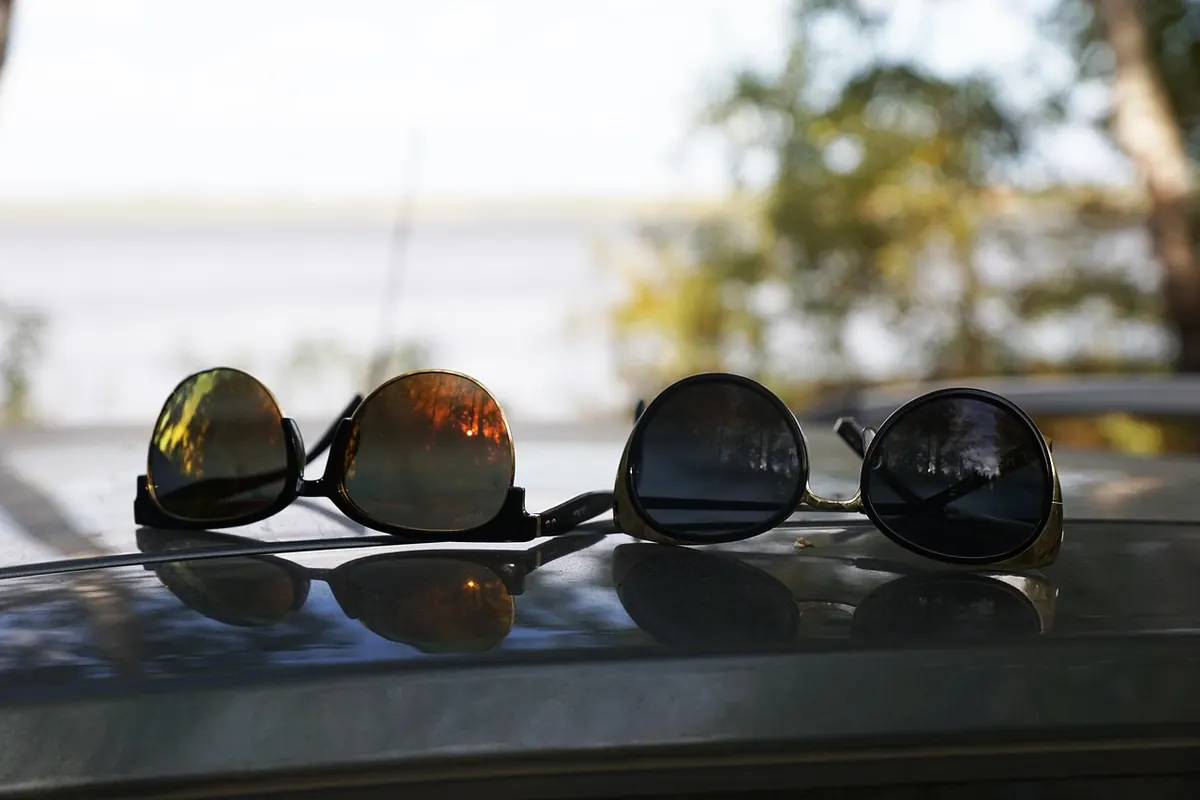
Photo: SAVA86 / Pixabay
Vegan tattoos involve more than ink — stencil fluid, gloves and aftercare all count. Here's what to ask your artist...
A practical guide to tattoo pain by placement, from sharp ribs and sternum to tender ankles and feet, plus skin...

A season-by-season guide to UK tattoo conventions, from spring's regional shows to autumn's big-city flagships, with...

Your weekly dose of tattoo culture and news..
