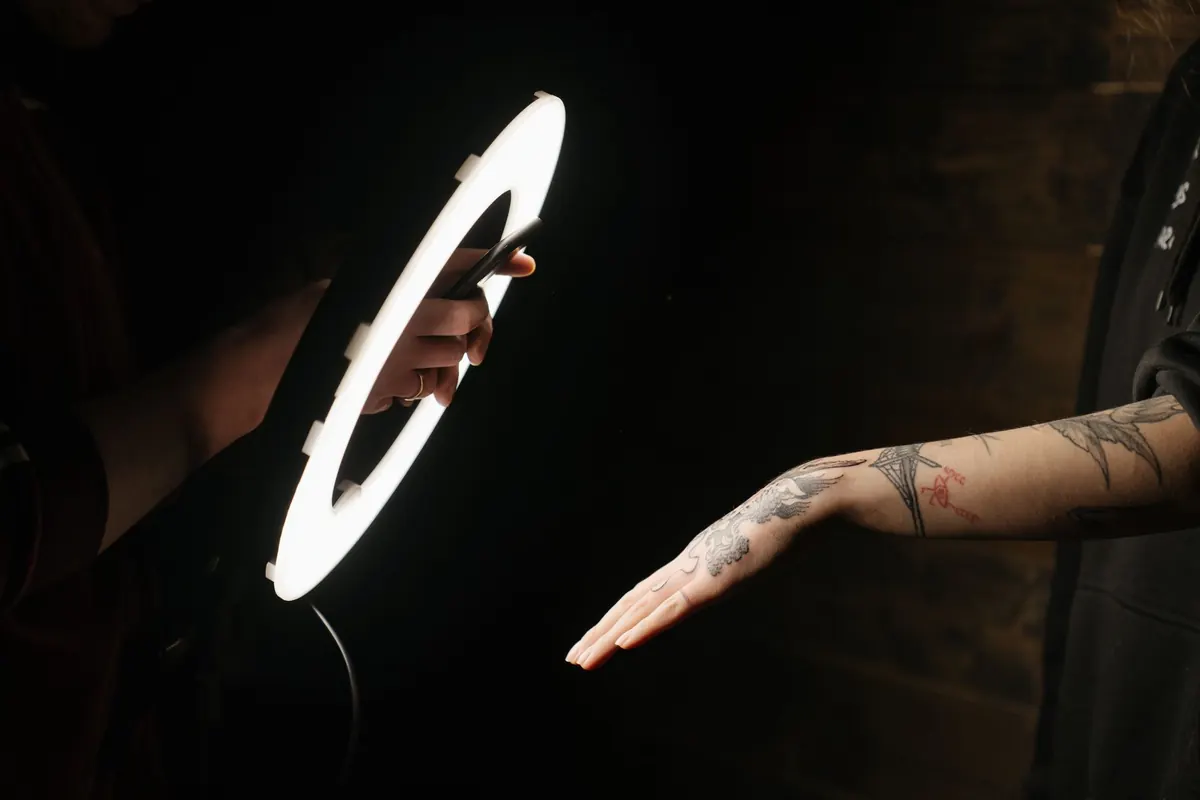
Most people pick a tattoo studio on the strength of an artist's portfolio, which is exactly how it should be. But the rules sitting behind the chair matter just as much as the linework, and they are the part clients rarely ask about. Age limits, licensing, ink and infection control are handled differently in England, Wales, Scotland and Northern Ireland, and much of the enforcement falls to your local council. Here is what a studio should be doing, what you are entitled to ask, and what is worth walking away from.
It is a criminal offence to tattoo anyone under the age of 18 anywhere in the UK, and that has been the position since the Tattooing of Minors Act 1969. Crucially, parental consent does not change it. A 16-year-old arriving with a signed note from a parent still cannot be tattooed lawfully, and the minor's own agreement is no defence either.
The main exception is tattooing carried out for medical or surgical reasons by a registered medical practitioner — reconstructive work after surgery, for instance. That is a long way from a Saturday walk-in.
Reputable studios ask for photo ID, and not only from people who look young. If you are 19 and baby-faced, expect to be asked. It is a sign the studio takes its legal obligations seriously, not a personal insult. Piercings follow different rules from tattoos, with their own age thresholds and consent arrangements, so ask the studio directly rather than assuming.
There is no single UK tattoo regulator. Licensing and registration sit with local councils under a patchwork of legislation: the Local Government (Miscellaneous Provisions) Act 1982 in England and Wales, a separate licensing regime in Scotland, and district council registration in Northern Ireland. Councils attach hygiene conditions to those licences and send environmental health officers out to inspect.
In practice, the studio two streets away may be operating under slightly different written conditions from the one in the next town. What should be consistent is that the business is registered, that its certificate is on display, and that the artists working there are covered by it.
Two things are worth checking while you are at it:
Tattoo ink is a chemical product, and studios have to assess and manage it as one under workplace chemical safety rules, including keeping safety data sheets for the brands they use. Beyond that, some pigments are restricted in the EU and in Northern Ireland, while Great Britain's position has diverged since Brexit. The detail is technical and has shifted in recent years.
For clients, the practical points are simpler. Ask what brand of ink is being used and whether it is in date — ink has a shelf life. If you have reacted badly to a tattoo before, or you know you have sensitive skin or a contact allergy, say so before the appointment rather than after. Reds are the pigments most often linked with allergic reactions, though any colour can trigger one. If you have a history of reactions, speak to a GP or dermatologist before booking.
Infection control is where the law, council conditions and basic good practice all point the same way. Bloodborne viruses such as hepatitis B and C and HIV can be passed on through contaminated equipment, and skin infections are a real risk when standards slip. You do not need to be an expert to spot the difference — you just need to watch.
You should also leave with written aftercare instructions. A studio that checks in on a healing tattoo is not being pushy; it is doing its job.
Some things are not negotiable. Gloves not being worn, needles unwrapped from anything other than a sealed sterile packet, ink poured back into a bottle, or equipment reused between clients — leave. You are allowed to leave mid-appointment, and you do not owe anyone a tidy explanation.
Softer warnings count too: no consent form, no ID check, a grubby hand-wash area, no aftercare advice, or an artist who gets defensive when you ask about licensing or sterilisation. A studio proud of its standards will happily talk you through them. If the answers are vague, that is an answer.
Tattooing is a service, which means the Consumer Rights Act 2015 applies: the work must be carried out with reasonable care and skill. If it is not, you have grounds to complain and potentially to claim.
Start with the studio, in writing, and keep everything — photographs as the tattoo heals, receipts, appointment dates, messages. If you suspect an infection, contact a GP or NHS 111 rather than waiting to see how it develops. If you think a studio is breaching its licence conditions, your council's environmental health team is the right first call; they can inspect and act. For a dispute over money or damage, Citizens Advice can point you to the next step.
All of the above is general information rather than legal or medical advice, and your own situation may need a professional eye.
Check whether the studio is licensed or registered with its local council, then look for the certificate when you arrive. Ask about ID requirements in advance so nobody gets turned away at the door. Read the studio's hygiene and aftercare information online — if there is none, ask why. Visit in person if you can, and pay attention to the small things: the hand-wash sink, the sharps bin, the way the artist sets up a station. Finally, ask which ink brand they use and whether they hold insurance.
None of those questions will annoy a good studio. The artists who care about their work are usually the ones who care about everything else around it, too.
Photo: cottonbro studio / Pexels
Vegan tattoos involve more than ink — stencil fluid, gloves and aftercare all count. Here's what to ask your artist...
A practical guide to tattoo pain by placement, from sharp ribs and sternum to tender ankles and feet, plus skin...

A season-by-season guide to UK tattoo conventions, from spring's regional shows to autumn's big-city flagships, with...

Your weekly dose of tattoo culture and news..
