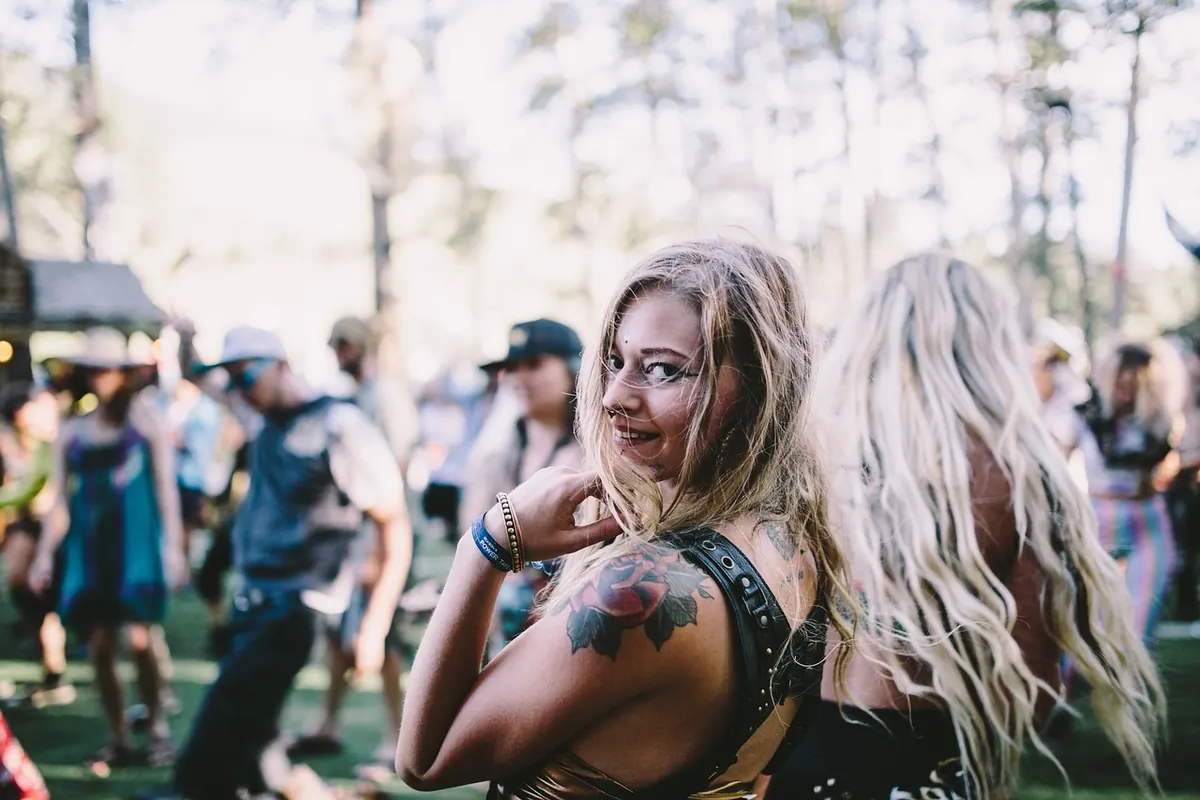
January is for healing. By the time the clocks go forward, the UK's convention calendar is already rolling, and tattooists who spent the winter sketching are packing their kit into vans and heading for exhibition halls, hotel ballrooms and conference centres from Glasgow to Brighton.
There is no single convention season here, but there is a rhythm. Spring leans regional and friendly, summer goes big and loud, autumn brings the flagship shows, and winter shrinks back to the small stuff: guest spots, flash days and last-minute cancellations. Here is what each stretch of the year tends to look like, plus what to expect once you are through the door. Dates move every year, so check the event's own listings before you book travel.
Spring is when the smaller shows do the heavy lifting. Think hotel ballrooms and university venues with forty to a hundred and twenty artists, a handful of trade stalls and a competition board that fills by mid-afternoon. Bristol, Cardiff, Leeds, Newcastle, Norwich and Glasgow all tend to get a spring event, usually across a Saturday and Sunday.
This is the friendliest time of year for a first convention. Queues are shorter, artists have gaps for walk-ups, and you can talk to people without shouting. If you want work from a visiting artist whose books are closed, a quiet Sunday morning walk-up is often the only realistic route in.
Spring is also when many artists open their diaries for summer and autumn dates. If you have a specific person in mind, this is the moment to send a proper enquiry.
Summer brings the largest crowds and the largest venues. City exhibition halls fill with a hundred booths or more, plus music, bars, food traders and a stage. The atmosphere sits closer to a festival than a trade show, which is either the appeal or the reason to stay away.
A fresh tattoo and a July afternoon are not natural allies. Sweat, sunburn and long queues in the open air all work against clean healing. If you are booking a summer show, try to schedule the session for the last day of your trip, keep the area covered and out of direct sun, and stay away from swimming pools, the sea and long baths until it has healed. Sunscreen belongs on healed tattoos, not fresh ones.
Summer shows are also where you are most likely to be tattooed by someone whose first language is not English. Save your reference images on your phone, be precise about size in centimetres, and confirm the placement on your body before the stencil goes down.
Autumn is the main event. The biggest UK shows cluster into September, October and November, and the line-ups show it: guest artists flown in from Europe, Japan and the United States, seminars, art exhibitions and competitions running across both days.
Expect higher ticket prices, busier trains and hotels that sell out weeks ahead. Book both early and treat the weekend as a trip rather than an errand. If you have been waiting for a shot at an artist who rarely visits the UK, autumn is usually when it happens.
It is the best season for browsing, too. Trade halls at the big shows carry machines, inks, aftercare, printed flash and clothing, and you can compare kit in person instead of scrolling.
Winter thins out. Most large shows pause, and the calendar fills with guest spots, small one-room events and studio-run flash days.
Studios up and down the country run flash days whenever the calendar lands on a Friday the 13th: a sheet of small pre-drawn designs, first come first served, with a limited number of slots. Turn up early, and expect to pick from the sheet rather than bring your own idea.
January is cancellation season. People drop appointments after Christmas and artists post the gaps, so if you want work from someone popular and can be flexible, keep an eye on their posts and switch notifications on.
Ticket, photo ID, artist slot confirmed, deposit ready, loose clothing that gives access to the placement, water and a snack, and a charger. You must be 18 or over to be tattooed in the UK, and any reputable studio will ask for proof.
Check the studio's hygiene and licensing, and if you have a skin condition, a heart condition, a bleeding disorder, or you are pregnant or breastfeeding, speak to a GP before booking rather than relying on forum advice. Ask your artist about aftercare and follow their instructions over anything you read online.
Build in a buffer, too. Conventions run late, sessions overrun, and the last train home is not something you want to be sprinting for with fresh work on your ribs.
Photo: StockSnap / Pixabay
Vegan tattoos involve more than ink — stencil fluid, gloves and aftercare all count. Here's what to ask your artist...
A practical guide to tattoo pain by placement, from sharp ribs and sternum to tender ankles and feet, plus skin...
A practical guide to UK tattoo licensing, age rules, ink regulation and hygiene standards — plus the questions worth...

Your weekly dose of tattoo culture and news..
