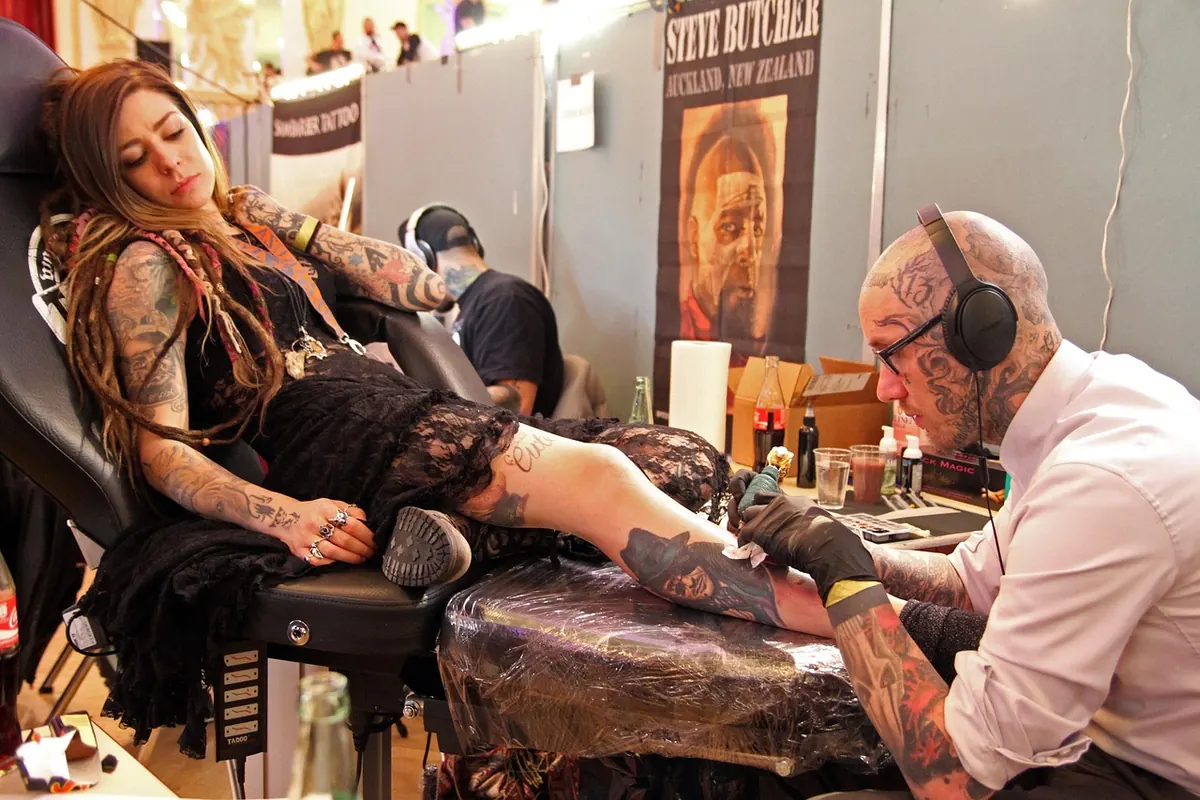
A tattoo outlasts most of the decisions you make in a year. It outlasts the phone you are reading this on, the flat you are renting and, quite possibly, the hairstyle you are currently regretting. That is why the person holding the machine matters more than the flash on the wall. Most first tattoos that disappoint do not go wrong because the artist lacked talent. They go wrong because the client did not vet properly, felt rushed into a booking, or simply did not know which questions to ask. The good news is that choosing well is a process, not a gut feeling.
Instagram is where most searches begin, and it is a reasonable starting point, as long as you treat it as a shop window rather than a reference. Ring lights and fresh ink flatter work that looks quite different once it has settled. Ask to see healed photographs of the same style, taken in daylight and ideally a year or more old. Any artist worth their salt has them.
Consistency matters more than one showstopper. A portfolio full of excellent roses and shaky lettering tells you something. So does a feed where every post is a different style; some artists genuinely do several well, but you want to see depth rather than a sampler.
Tattooing has specialisms in a way it did not twenty years ago: fine line, blackwork, neo-traditional, Japanese, realism, dotwork, script. A brilliant realism artist is not automatically the right person for delicate single-needle lettering, and the reverse is just as true. Decide roughly what you want before you start looking, then shortlist three artists whose portfolios solve that particular problem.
If you are unsure, a good artist will tell you honestly whether your idea sits in their wheelhouse or point you towards someone better suited. That honesty is a green flag, not a rejection.
You do not need to be a medical professional to spot a well-run station. Watch the basics. The artist washes their hands and puts on fresh gloves. Needles come out of sterile packaging in front of you. Ink is decanted into single-use caps. Anything that touches you or the equipment is covered in barrier film that gets stripped and replaced between clients. Reusable tools are sterilised in an autoclave, and used needles go straight into a sealed sharps container.
Look at the wider room too. Surfaces and floors should be clean, the station tidy, and there should be no food, drink or pets at the workstation. If something makes you uneasy, ask about it. A professional will answer without getting defensive. You are also allowed to leave. A deposit is not worth an infection.
In the UK, tattoo studios must be registered with the local council, and in some areas individual artists also need a personal licence. Rules differ between England, Scotland, Wales and Northern Ireland, so check your own council's website if you want certainty. Studios are inspected by environmental health, and a legitimate one will not mind you asking when their registration was last checked.
It is illegal to tattoo anyone under 18 in the UK, so reputable studios ask for photo ID. Expect a consent form, a clear aftercare sheet and a short conversation about allergies, skin conditions and any medication that might affect healing. If you have a medical condition, or take medication that affects your skin or immune system, speak to your GP or pharmacist before booking. That is general guidance, not medical advice.
A consultation is not a formality. It is your chance to test whether you can communicate with this person, because you will need to speak up mid-session if something hurts more than you expected, or if you want a line adjusted.
Vague answers, or visible irritation at being asked, are information. Use them.
Deposits are normal and usually non-refundable, because they compensate the artist for time reserved and drawings prepared. They typically come off the final cost. Ask whether the rate is hourly, half-day or day, and whether there is a minimum charge for small pieces. Get the quote in an email or message so nothing gets muddled later.
Do not haggle. If the price is beyond your budget, save longer or go smaller rather than pushing for a discount. A rushed artist working to a squeezed price is not the bargain it appears to be, and a deposit paid on a credit card you cannot clear is a worse deal still.
Before you hand over a deposit, run a short final check. You have seen healed work in your style. The studio is registered and you have stood in it, seen the station and met the person. You have asked your questions and liked the answers. You can afford it comfortably. And your gut, not just your excitement, is on board.
If any of those boxes are unticked, wait. There is no deadline on a tattoo, and a design you love will still be there in three months. Choosing the right artist, on the right day, is worth the delay.
Photo: licel / Pixabay
Vegan tattoos involve more than ink — stencil fluid, gloves and aftercare all count. Here's what to ask your artist...
A practical guide to tattoo pain by placement, from sharp ribs and sternum to tender ankles and feet, plus skin...

A season-by-season guide to UK tattoo conventions, from spring's regional shows to autumn's big-city flagships, with...

Your weekly dose of tattoo culture and news..
