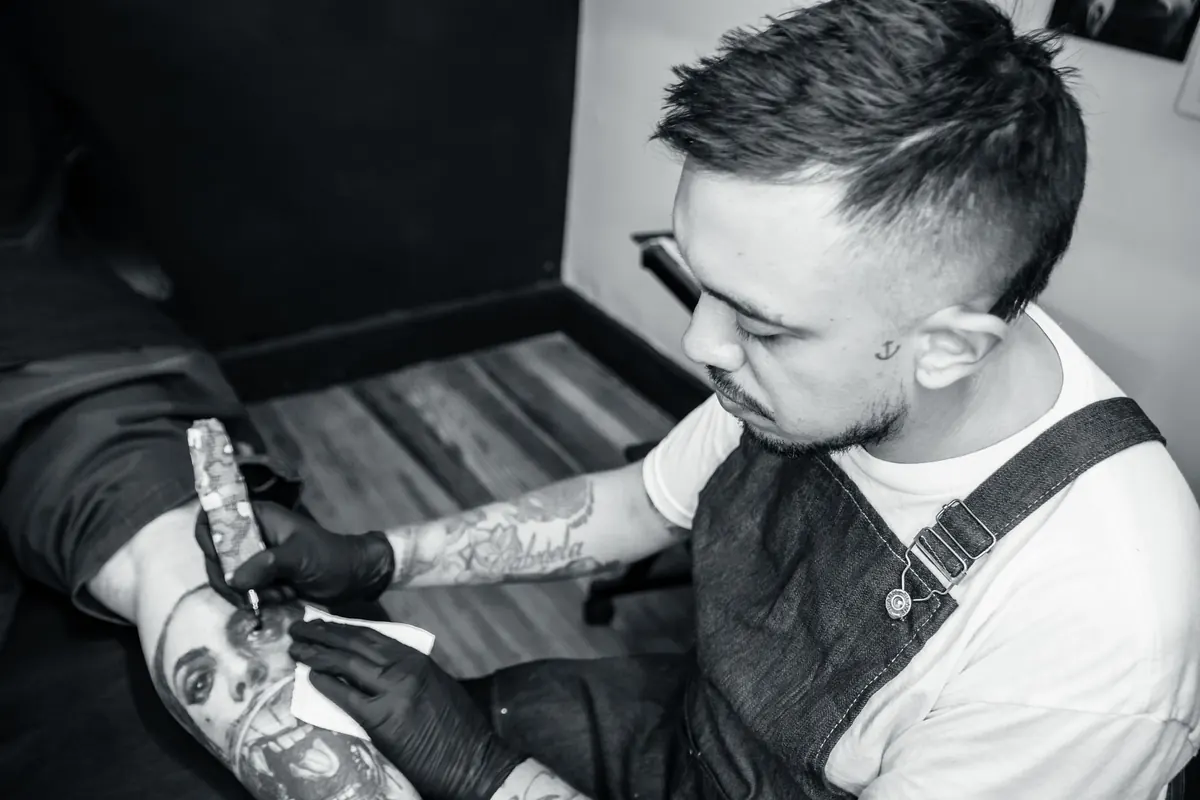
A tattoo is a collaboration between you and the person holding the machine. Get it right and you wear a piece of art that settles into your skin and your story. Get it wrong and you spend years planning a cover-up. In the UK, tattoo studios are regulated by local councils, but standards still vary. The checks below are the ones worth doing before you put down a deposit.
Hygiene is not a detail. It is the foundation. A clean studio smells clean, looks tidy and has a clear separation between dirty and clean areas. You should see fresh gloves, sealed needles opened in front of you, single-use ink caps, and a workstation wiped down before you sit. If any of that is missing, leave. You do not owe anyone an explanation.
Ask about licensing. In the UK, tattoo premises are regulated by local councils, and requirements vary across England, Scotland, Wales and Northern Ireland. A reputable studio will have its licence on display and will happily answer questions about sterilisation and waste disposal. If they brush you off, that is a red flag. If you are worried about infection or healing, seek advice from your GP or NHS 111.
Tattoos are not a commodity. Two artists can quote very differently for the same design because they work at different speeds, use different equipment, and have different levels of experience. A bargain is not a bargain if the linework is shaky, the colour is patchy, or the studio cuts corners on hygiene.
Be wary of a quote that is dramatically lower than others you have received, especially if it comes without a proper consultation. Deposits are normal and protect the artist's time; a refusal to give you a receipt or written terms should make you pause. If money is tight, scale down the design or save for longer. Haggling over a permanent tattoo is rarely a good start.
A good consultation is a conversation, not a transaction. The artist should ask about placement, size, colour, your lifestyle, and how the tattoo will age. They should talk about their style and whether your idea suits it. They should also ask about medical conditions, allergies, and medication that might affect healing. If you have a health concern, speak to your GP before booking.
Red flags include being rushed out of the door, being told "I'll figure it out on the day", or being pressured to pay a deposit before you have seen a sketch or discussed the design. Here are questions worth asking:
Bringing reference images is normal. Asking for a line-for-line copy of another artist's custom piece is not. Tattoo culture has a long history of flash: pre-drawn designs made to be tattooed again and again. That is different from stealing a bespoke design that someone else created for a specific client.
A good artist will use your references to understand the mood, shape or subject, then draw something original. If they agree to copy a custom piece without hesitation, ask yourself why. It suggests they may do the same to your design later.
Good tattooers are not order-takers. They are collaborators who ask questions, offer opinions, and say no when a design will not work.
Social media is a useful portfolio, but it is also a highlight reel. Fresh tattoos photographed under studio lights can look sharper than they will after healing. Filters, angles and editing can hide poor linework or uneven shading. Look for healed photos, and ask to see work in person if you can.
Check that the artist's style matches what you want. A brilliant fine-line artist may not be the right person for a bold traditional sleeve. A blackwork specialist may not excel at realism. Style is not a limitation; it is a sign of focus. Choose someone whose existing work makes you think, "Yes, I want that on my body."
You will spend hours with this person, often in a small room, sometimes in pain. Communication matters. Do they listen? Do they answer questions clearly? Do they make you feel rushed or foolish? Do they respect your boundaries about placement, pronouns, or modesty?
Trust your gut. If an artist is dismissive, arrogant, or pressuring you to book on the spot, walk away. There are plenty of skilled artists who are also kind and professional. A tattoo should not feel like a test of endurance before the needle even touches your skin.
The tattoo does not
Photo: Franco Monsalvo / Pexels
Vegan tattoos involve more than ink — stencil fluid, gloves and aftercare all count. Here's what to ask your artist...
A practical guide to tattoo pain by placement, from sharp ribs and sternum to tender ankles and feet, plus skin...

A season-by-season guide to UK tattoo conventions, from spring's regional shows to autumn's big-city flagships, with...

Your weekly dose of tattoo culture and news..
